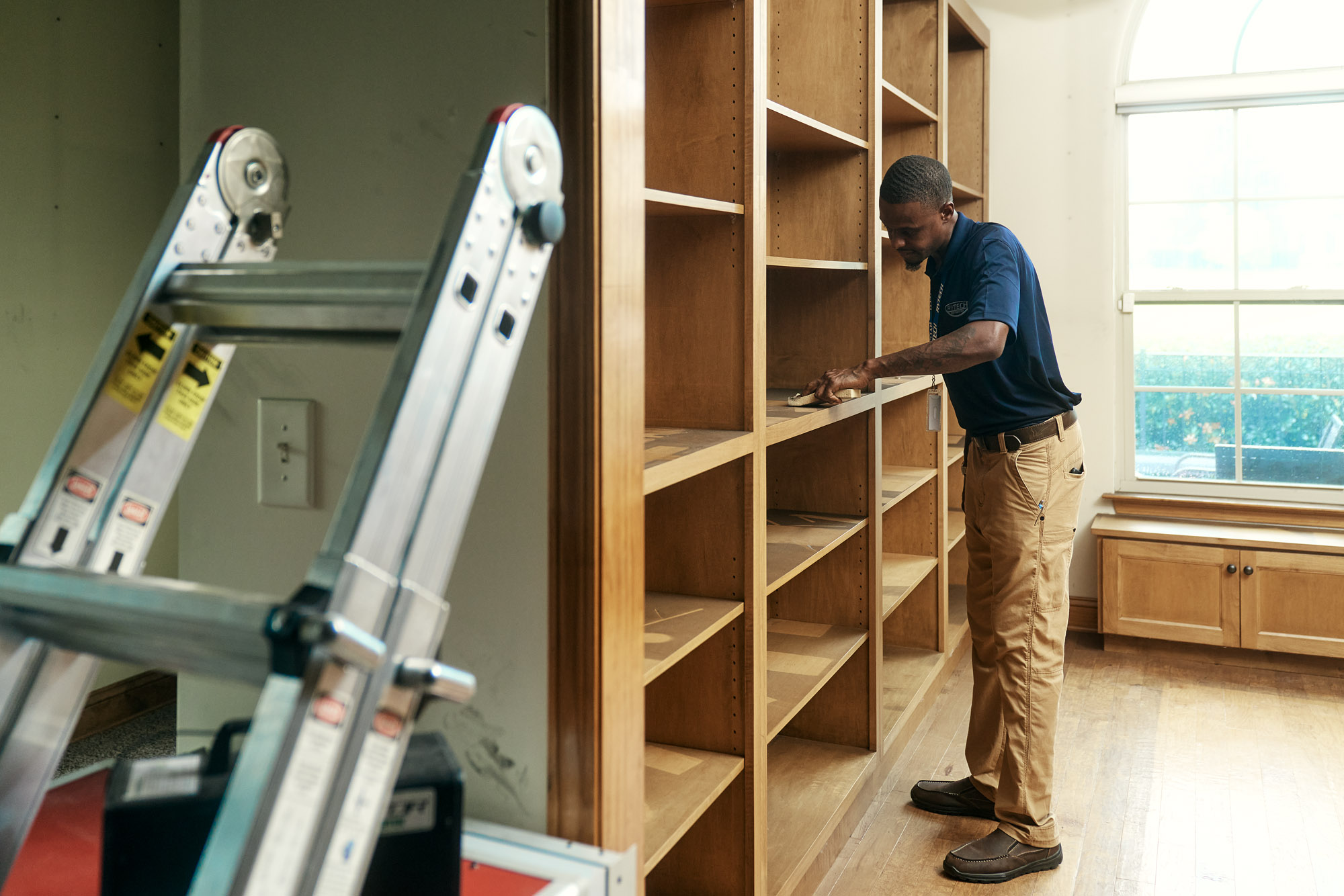
In Pensacola, Florida, moisture is part of everyday life. The combination of coastal humidity, frequent rain, and tropical storms makes Escambia County and surrounding areas like Gulf Breeze, Milton, and Navarre prime environments for mold growth. When mold appears in your home, business, or managed property, the key is understanding what causes it, how to address it properly, and why professional mold remediation in Pensacola makes all the difference.
At Rytech Restoration of Greater Pensacola, we help homeowners, business owners, property managers, and insurance partners restore healthy indoor environments safely and efficiently using science-based methods that meet ANSI/IICRC S520 standards for professional mold remediation and ANSI/IICRC S500 standards for water damage restoration.
What Causes Mold Growth in Pensacola Homes and Businesses
Mold thrives where moisture lingers. In our coastal region, common sources of unwanted dampness include roof leaks from tropical storms, poorly sealed windows, high indoor humidity, and plumbing leaks behind walls. Flooding from hurricanes or rising groundwater also provides ideal conditions for mold to develop within 24 to 48 hours.
Mold spores are always present in Florida’s air, but they need moisture to grow. Early detection—through moisture readings, visual inspection, or odor identification—prevents small issues from spreading through HVAC systems or porous building materials.
Health Effects Linked to Mold Exposure
Mold exposure doesn’t affect everyone the same way. Some people experience mild allergy-like symptoms such as sneezing, eye irritation, or headaches, while others develop persistent respiratory problems. Children, the elderly, and those with asthma or weakened immune systems are particularly vulnerable.
Professional remediation reduces airborne spores and improves indoor air quality, helping create a safer environment for everyone in the property.
How to Identify Mold Problems in Coastal Florida
Mold often hides behind drywall or under flooring, but there are warning signs:
- A musty or earthy odor that persists after cleaning.
- Discolored or bubbled paint on ceilings and walls.
- Visible fuzzy growth around windows, baseboards, or HVAC vents.
- Worsening allergy symptoms when indoors.
In humid regions like Escambia and Santa Rosa Counties, these symptoms usually point to moisture trapped inside building materials.
Professional Mold Inspection and Testing
Certified inspectors use specialized tools to find hidden moisture and mold. At Rytech Restoration of Greater Pensacola, technicians rely on moisture meters, thermal imaging cameras, and hygrometers to pinpoint water intrusion sources.
When needed, air and surface sampling help confirm the presence of elevated mold spore levels. Results guide the development of a remediation plan designed to meet both local building regulations and national IICRC S520 standards.
The Mold Remediation Process: Step-by-Step
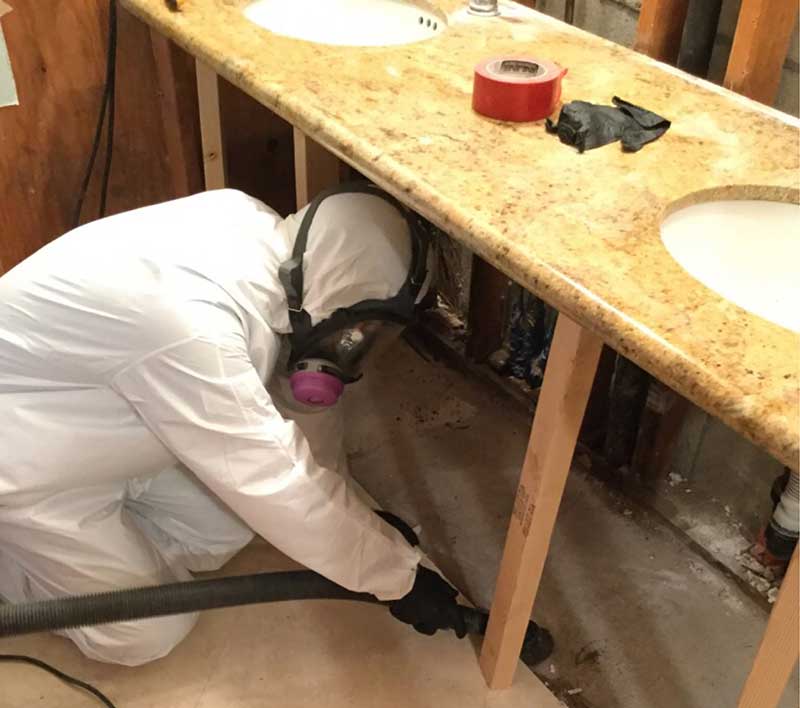
Professional remediation follows a structured process to safely return properties to normal conditions:
- Inspection and Assessment – Identify moisture sources, contamination areas, and affected materials.
- Containment – Seal off the affected zone with plastic barriers and create negative air pressure to prevent spreading.
- Air Filtration – Use HEPA-filtered air scrubbers to capture airborne spores and particles.
- Mold Removal – Remove or clean contaminated materials using professional-grade tools and cleaning agents.
- Cleaning and Sanitization – Wipe down and disinfect hard surfaces, ducts, and HVAC components as necessary.
- Drying and Dehumidification – Use dehumidifiers to ensure the space is dry and stable.
- Post-Remediation Verification – Inspect and test to confirm that moisture and mold have been properly addressed.
Each step aligns with ANSI/IICRC S520 protocol for achieving safe and verifiable mold removal.
Containment and Air Filtration
Containment protects the rest of your property during cleanup. Barriers made from plastic sheeting isolate affected areas, and negative air machines create a controlled environment that stops spores from traveling. High-efficiency HEPA air scrubbers continuously clean the air throughout the remediation process.
Mold Removal and Cleaning Techniques
Certified technicians use a mix of mechanical and chemical methods to remove mold from building materials. This may include HEPA vacuuming, brushing, and wiping surfaces with antimicrobial cleaning solutions. When materials like drywall or insulation are too damaged to restore, they are removed safely to prevent recontamination.
Drying and Dehumidification
After mold removal, the space must be completely dried. Using industrial-grade dehumidifiers, moisture sensors, and air movers, technicians bring humidity levels back to safe levels. This prevents mold from returning and ensures structural materials remain stable.
The IICRC S500 Standard for Professional Water Damage Restoration emphasizes that a successful remediation project ends only when the affected materials have reached equilibrium moisture content for their environment.
Preventing Mold from Returning
Once your property is restored, moisture control becomes the key to prevention. Addressing roof leaks, maintaining ventilation, and using dehumidifiers in high-moisture areas like bathrooms or basements helps prevent new mold colonies from forming.
In Pensacola’s humid climate, scheduling periodic moisture inspections after storms or plumbing repairs helps property owners stay ahead of potential issues.
When to Hire Certified Mold Remediation Professionals
Hiring an IICRC-certified remediation company like Rytech Restoration of Greater Pensacola ensures your property is restored according to the industry’s highest safety and quality standards. Certified specialists bring advanced detection tools, experience with local building materials, and knowledge of Florida’s environmental regulations.
“Pensacola’s climate presents unique challenges. We’ve worked on everything from older wood-frame homes in East Hill to modern commercial structures near the beach. Our local expertise helps us pinpoint moisture sources faster and dry structures more effectively—so property owners can recover quickly and confidently.”
Holden LeBlanc, Owner, Rytech Restoration of Greater Pensacola
Understanding Mold Remediation Costs
Every project differs based on the affected area, contamination level, and materials involved. Small residential jobs may cost less, while larger commercial or multi-unit properties require more extensive containment and testing. The focus should always be on safe, compliant remediation that prevents future issues rather than quick fixes.
Insurance Coverage for Mold Damage
Many property insurance policies in Florida cover mold remediation when mold results from a sudden, accidental water event—like a burst pipe or roof leak after a hurricane. Rytech Restoration helps property owners navigate the process by documenting all moisture sources, photos, and reports for insurance carriers and adjusters.
Post-Remediation Verification
Once remediation is complete, a final inspection—sometimes including air or surface testing—confirms that the environment is safe for occupancy. This verification step provides peace of mind for property owners, managers, and insurers alike.
DIY vs. Professional Mold Removal
While homeowners can handle minor surface mold, extensive contamination requires professional intervention. Without the proper containment, cleaning agents, and safety gear, DIY efforts can spread spores and worsen the situation. Professional remediation ensures containment, thorough drying, and long-term results.
Legal and Regulatory Compliance in Florida
Mold remediation in Florida must comply with state licensing laws and the ANSI/IICRC S520 standard of care. Certified professionals follow legally recognized methods for containment, cleaning, and documentation, ensuring compliance with both insurance and environmental guidelines.
Get Inspected to Stay Protected
Whether you own a waterfront home in Gulf Breeze, manage an apartment complex in Milton, or handle insurance claims for businesses across Escambia and Santa Rosa Counties, Rytech Restoration of Greater Pensacola is your trusted partner in mold remediation and water damage restoration.
FAQs: Answering Your Pressing Water Damage Restoration Questions
Facing water damage can bring up many concerns. As your devoted water damage restoration specialists in Pensacola, FL, we are dedicated to providing clear, comprehensive answers to assist you through this challenging time.


