If you are looking into mold remediation services in Pensacola, you are likely dealing with humidity, storm-related moisture, or a past water issue that never fully dried. Along the Gulf Coast, especially in Pensacola, FL and across Escambia County, moisture is part of daily life. That makes mold a common concern for homeowners, property managers, and commercial building owners alike.
At Rytech Restoration of Greater Pensacola, we work in communities from Gulf Breeze to Milton and Navarre every day. We see how quickly mold can develop in Florida homes, and more importantly, how the right process brings a property back to a safe and stable condition.
Understanding Mold Problems in Pensacola Homes
Mold is a living organism that grows when moisture and organic materials come together. In homes throughout Pensacola and surrounding areas like Perdido Key or Pace, materials such as drywall, wood framing, and insulation provide the perfect surface for growth when damp.
This is not just about appearance. Mold growth signals a moisture problem that can affect both the structure and indoor environment. According to the ANSI/IICRC S520 standard, mold contamination is tied directly to moisture conditions and must be addressed through proper remediation procedures, not surface cleaning alone .
In coastal Florida, that connection between water and mold shows up often after storms, plumbing leaks, or even everyday humidity that stays trapped inside the home.
What Causes Mold Growth Along the Gulf Coast
Pensacola’s climate creates ideal conditions for mold. Warm temperatures and high humidity levels keep building materials slightly damp longer than most homeowners realize.
We often see mold begin after a small issue. A slow pipe leak under a sink in a Bellview home, or moisture intrusion from heavy rain in a Pensacola Beach property, can go unnoticed. Over time, that moisture builds up.
Flooding events, which affect areas like Gulf Breeze and Navarre, accelerate this process. Water that is not properly dried within a short window can lead to microbial growth, as outlined in water damage restoration principles within the ANSI/IICRC S500 standard .
Health Concerns Linked to Mold Exposure
Indoor mold changes the air you breathe. Many homeowners first notice symptoms like congestion, coughing, or irritated eyes.
In Pensacola homes, families often mention that symptoms improve when they leave the house. That pattern points directly to indoor environmental concerns. Children, older adults, and those with respiratory conditions feel the effects faster.
This is why remediation focuses on both visible growth and airborne particles. Removing what you see is only part of the job. Addressing what you cannot see creates a healthier indoor space.
Recognizing the Signs of Mold in Your Property
Some signs are obvious. Dark spots on walls, staining on ceilings, or warped baseboards signal moisture and possible mold growth.
Other signs are subtle. A musty smell in a Pace attic or persistent dampness in a Milton crawlspace often points to hidden growth. Many homes in Escambia County have enclosed areas where air circulation is limited, allowing moisture to linger.
Distinguishing mold from mildew matters as well. Mildew stays on the surface, while mold can penetrate materials and spread deeper into the structure.
Why Professional Mold Remediation Changes the Outcome
Trying to clean mold without proper containment spreads spores into unaffected areas. That turns a small issue into a larger one.
Professional remediation follows structured steps based on industry standards. The ANSI/IICRC S520 outlines containment, controlled removal, and protection of unaffected areas as part of the standard of care .
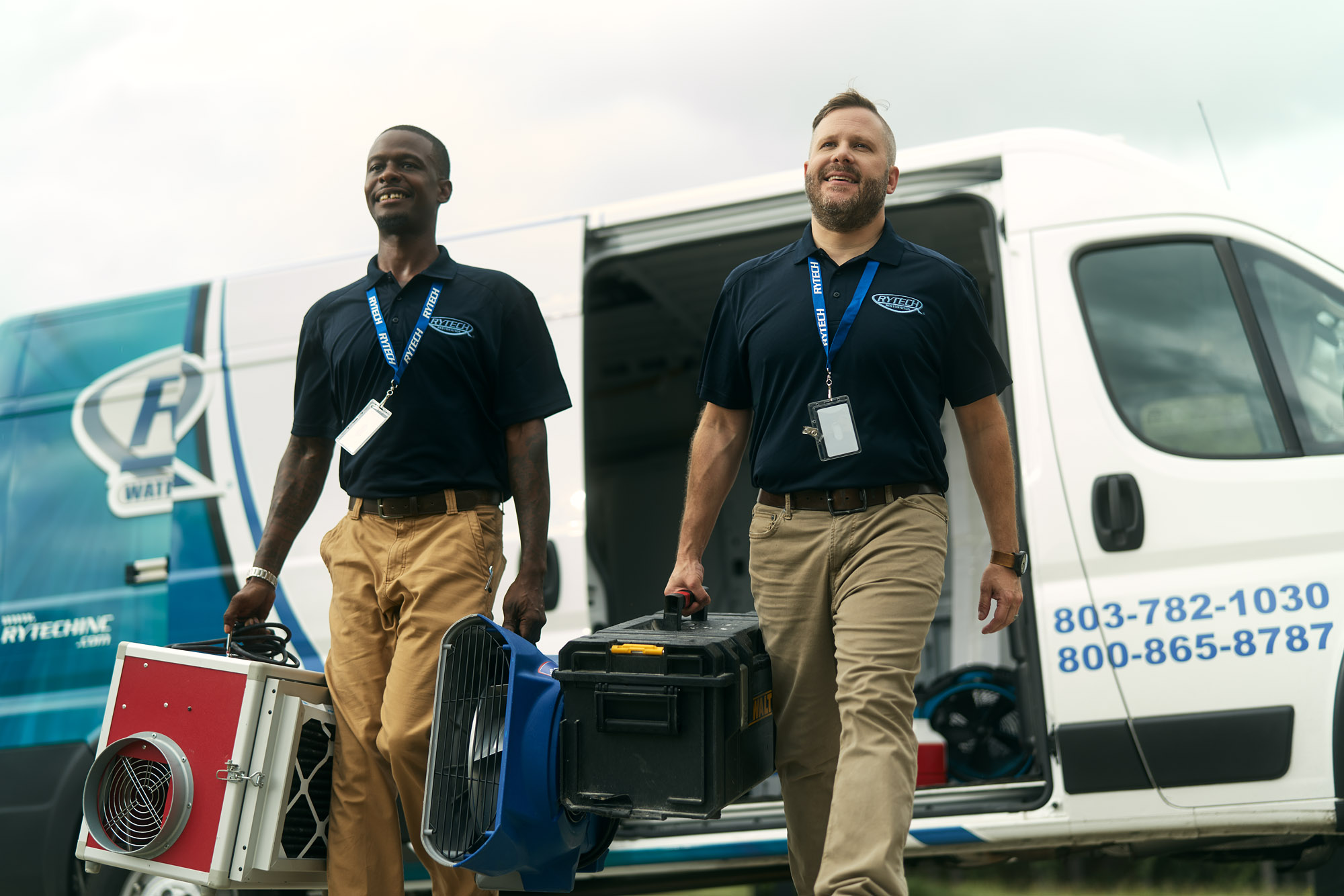
At Rytech Restoration of Greater Pensacola, we focus on reducing disruption while restoring materials when possible. Advanced equipment, rapid drying strategies, and detailed documentation allow us to manage each project efficiently and transparently.
What Happens During a Mold Inspection in Pensacola
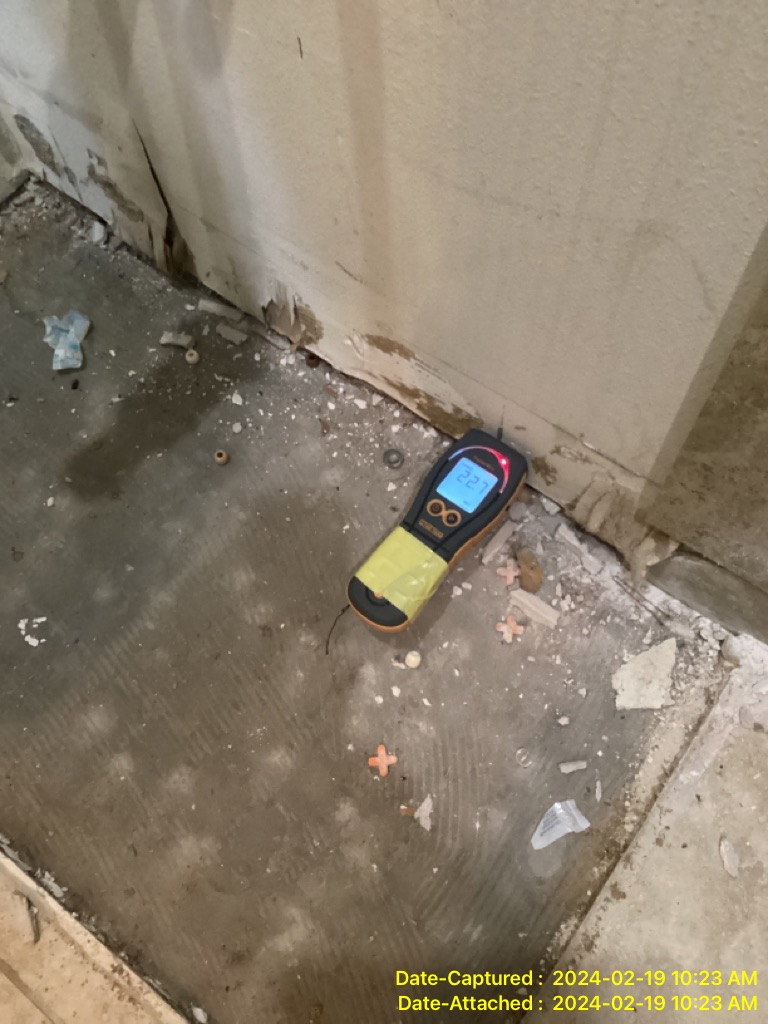
Every project starts with understanding the full scope of the problem. That begins with a visual inspection, followed by moisture detection using specialized tools.
In homes across Cantonment or Destin, hidden moisture often sits behind walls or under flooring. Identifying those areas early changes the entire remediation plan.
When needed, air and surface sampling help define contamination levels. This step creates a clear path forward instead of relying on assumptions.
Walking Through the Mold Remediation Process
Once the scope is confirmed, containment is built to isolate affected areas. This prevents cross-contamination during the process.
Air filtration devices remove airborne particles, while technicians address contaminated materials. Some materials can be restored through detailed cleaning, while others that are heavily impacted are safely removed.
Each step follows a logical sequence. The goal stays the same throughout the process: restore safe indoor conditions while preserving as much of the structure as possible.
What to Expect During the Timeline
Every property is different. A small area in a Gulf Breeze condo may take a few days, while a larger project in a commercial building in Pensacola could take longer.
You can expect consistent updates, clear communication, and documented progress. Moisture readings and project notes guide each step so there are no surprises.
Post-Remediation Verification and Indoor Air Quality
After remediation, verification confirms the work has been completed properly. This includes visual checks and moisture testing.
In some cases, a third-party indoor environmental professional conducts air quality testing. The ANSI/IICRC S520 emphasizes post-remediation verification as a key part of confirming successful contamination removal .
This step provides confidence that the indoor environment has been restored.
Understanding Costs and Insurance Support
Costs vary depending on the size of the affected area, the materials involved, and how far the mold has spread.
Many Pensacola homeowners are unsure how insurance fits into the process. When mold is tied to a sudden water event, such as a burst pipe, coverage may apply. That is where documentation becomes critical.
Rytech Restoration works closely with insurance professionals, providing detailed photos, moisture data, and reporting to support the claim process from start to finish.
Comparing DIY and Professional Mold Removal
Small surface mold in limited areas may be manageable with proper precautions. However, once mold extends beyond what you can see, professional remediation provides a controlled and effective solution.
Improper handling spreads spores, increases exposure, and often leads to recurring issues. Certified technicians follow procedures that reduce those risks.
Preventing Mold in Florida’s Humid Climate
Prevention always comes back to moisture control. In Pensacola homes, that means managing humidity levels and addressing water issues quickly.
Regular inspections, proper ventilation, and maintaining HVAC systems help keep indoor conditions stable. Even simple steps, like checking for leaks after heavy storms, can prevent future problems.
Smarter Materials for Long-Term Protection
When upgrading a home in Escambia County or nearby Walton County, choosing mold-resistant materials adds another layer of protection.
Bathrooms, attics, and crawlspaces benefit the most from these upgrades. Property managers across Santa Rosa County often invest in these improvements to reduce long-term risk and maintenance costs.
Regulations and Safe Work Practices
Mold remediation follows established safety and work standards. The ANSI/IICRC S520 provides a framework for proper procedures, including containment, removal, and documentation .
These guidelines ensure each project meets a consistent level of care and professionalism.
Choosing the Right Mold Remediation Partner in Pensacola
Not every company approaches mold the same way. Certifications, experience, and process transparency matter.
Rytech Restoration of Greater Pensacola combines local expertise with national resources. We respond quickly, use advanced drying and detection equipment, and focus on restoring materials whenever possible.
"Homes in Pensacola and along the coast face constant moisture pressure. Between salt air, storms, and high humidity, materials behave differently here than in other parts of the country. We’ve worked in beach homes, inland properties, and commercial spaces, and the key is always the same. Find the moisture source, control the environment, and follow a structured remediation process that protects the entire property."
Holden LeBlanc, Owner, Rytech Restoration of Greater Pensacola
How Homeowners Can Prepare Before and After Remediation
Preparing the space before work begins helps the process move faster. Clearing access to affected areas and limiting traffic during containment protects both the property and the occupants.
After the project is complete, ongoing monitoring keeps the home stable. Watching humidity levels and addressing small issues early prevents future concerns.
Local Support When Mold Becomes a Problem

Mold problems do not resolve on their own. Acting quickly changes the outcome and protects both the property and the people inside.
If you are dealing with moisture, odors, or visible growth, learn more about our mold remediation services in Pensacola and how our team can help.
FAQs About Mold Remediation in Pensacola, Florida
If you're concerned about mold remediation in Pensacola, Florida, you're not alone. Many homeowners and property managers seek expert guidance to maintain safe and healthy environments. Here are some common questions that offer insights into the remediation process, costs, and timelines.


